Metro Manila is carrying about 80,000 unsold condo units as of Q2 2026, and Colliers Philippines projects vacancy peaking at a record 25.6% by end-2026. But a developer like DMCI does not cut list prices in response — it moves terms instead. Expect better payment schemes and discounts on terms, not markdowns on the price itself.
Every few months, the same headline resurfaces: Metro Manila condos are oversupplied, and prices are about to fall. It's technically true and mostly beside the point. The oversupply is real. The conclusion most people draw from it — that a developer like DMCI Homes will start marking down its price list — isn't how this actually plays out. Here's the real data, why it doesn't reach a Quadruple-A developer with genuine end-user demand, and what's happening to pricing instead. Because it isn't a rollback.
The Number Everyone Is Repeating
The oversupply is real, and it's large. Metro Manila is carrying about 80,000 unsold condo units as of the second quarter of 2026 — including 32,600 ready-for-occupancy units already completed and sitting empty, with the remainder still under construction. Colliers Philippines projects vacancy will hit a record 25.6% by the end of 2026, up from 24.7% in 2025. Around 13,000 new units are set to complete this year, with roughly a third of that supply concentrated along the C-5 corridor alone.
Those are the numbers behind every "condo crash" headline you'll read this year. They're accurate. What most of those headlines skip is where that inventory actually sits — and what a developer does with a price list when it isn't the one under pressure.
What the Headline Number Hides
Oversupply isn't spread evenly across Metro Manila's condo market — it's concentrated. A large share of it sits in speculative pre-selling stock bought by investors who never intended to move in, secondary-market units being resold or leased out by owners who can't find a taker, and buildings from smaller developers who over-launched during the pandemic-era boom and are now sitting on inventory they can't absorb.
To be fair with the numbers, entry-level RFO stock isn't fully insulated either — about 36% of unsold ready units fall in the lower mid-income band, ₱3.6M to ₱6.99M. That's real, and it's the segment where competition for buyer attention is genuinely fiercest right now.
But "oversupply" as a market-wide statistic and "this specific building needs to cut its price" are two different claims. JLL's year-end review actually showed pre-selling take-up climbing to 78.6% in the midscale segment and 85.2% in upscale — those aren't the numbers of a segment in free-fall. They're the numbers of a segment where genuine end-user demand is outrunning what the headline vacancy stat suggests, because that stat is built mostly from unmanaged, unsold, or investor-flipped stock, not from projects with a developer actively selling and moving units.
Why a Developer Like DMCI Doesn't Cut Its Price
Here's the mechanic that gets skipped every time: a developer's ability to cut prices is a function of its cost structure and how much of its unsold inventory is actually distressed. DMCI Homes isn't a small, over-leveraged developer racing to unload stock before a loan comes due. It's the Philippines' first Quadruple-A-rated real estate developer, in continuous operation since 1999, and — because its parent company is a construction and engineering firm — it builds its own projects instead of subcontracting the margin away.
Land and construction costs on an already-permitted, already-underway project don't fall when the market softens; if anything, they've been rising. Cutting the sticker price on a unit means eating into margin on a project that's already funded and being built. That's not a move a financially healthy, high-absorption developer needs to make. DMCI's own communicated position backs this up — their own published data shows unit values rising over time, which is exactly why they market early reservation as a pricing advantage, not a risk.
In nine years selling DMCI exclusively, I have never seen an announced, across-the-board price rollback on an active project. I've seen prices go up at every new phase and every RFO turnover. That's the pattern here — not the exception.
What Happens Instead: Terms Move, Not Price
If the sticker price isn't the lever, what is? Payment terms. This is the actual mechanism behind every "buyer's market" headline, and it's already playing out across DMCI's active promos as of August 2026:
- 12% DP over 36–40 months (Third Quarter Deals). Instead of a shorter, more demanding downpayment schedule, buyers get more time and, on most projects, an added 1% discount.
- 5% Downpayment RFO Move-In. As little as 5% down over 12 months, with the 95% balance bank-financed through Chinabank or BPI — a fraction of the upfront cash a straight cash purchase would require.
- Home Advance rent-to-own. Move in and pay rent while you complete your downpayment, with PMO turnover fees waived and up to 6 months of free association dues.
- Legacy Projects 20% Special Discount. The deepest markdown currently on the table — but it's scoped to specific legacy communities and a specific window, not a market-wide price reset.
Every one of those is a real, current benefit to a buyer. None of them is DMCI lowering the price of a unit because the market told it to. That distinction matters, because it tells you what's actually negotiable — the schedule and the entry cost, not the number on the price list.
This is also why DMCI's standard payment promos tend to get renewed rather than allowed to lapse — a developer confident in its absorption keeps the terms flowing instead of forcing buyers into a harder schedule. Don't wait for a promo deadline out of fear it's your last shot; do use it as a reason to act instead of sitting on the fence indefinitely.
A Buyer's Market Doesn't Mean Buyers Set the Price
This is where the oversupply narrative gets misapplied by buyers themselves. A buyer's market is real — more inventory, more choice, more developers competing for your reservation. But "the market favors buyers" gets misread as "I can demand a lower price," and that's not how it plays out with a developer that isn't under financial pressure to fold.
What you can negotiate — successfully, and right now — is which promo stacks best for your situation, whether a spot-cash or bank-financed structure suits you better, and how much runway you get before your first full amortization. What you can't negotiate is DMCI printing a new, lower price list because a headline said the market is oversupplied.
Where This Is Playing Out Right Now
Three DMCI addresses currently sit at the exact intersection this article is about — genuine end-user demand, RFO or near-RFO inventory, and current promo terms doing the work that a price cut never will:
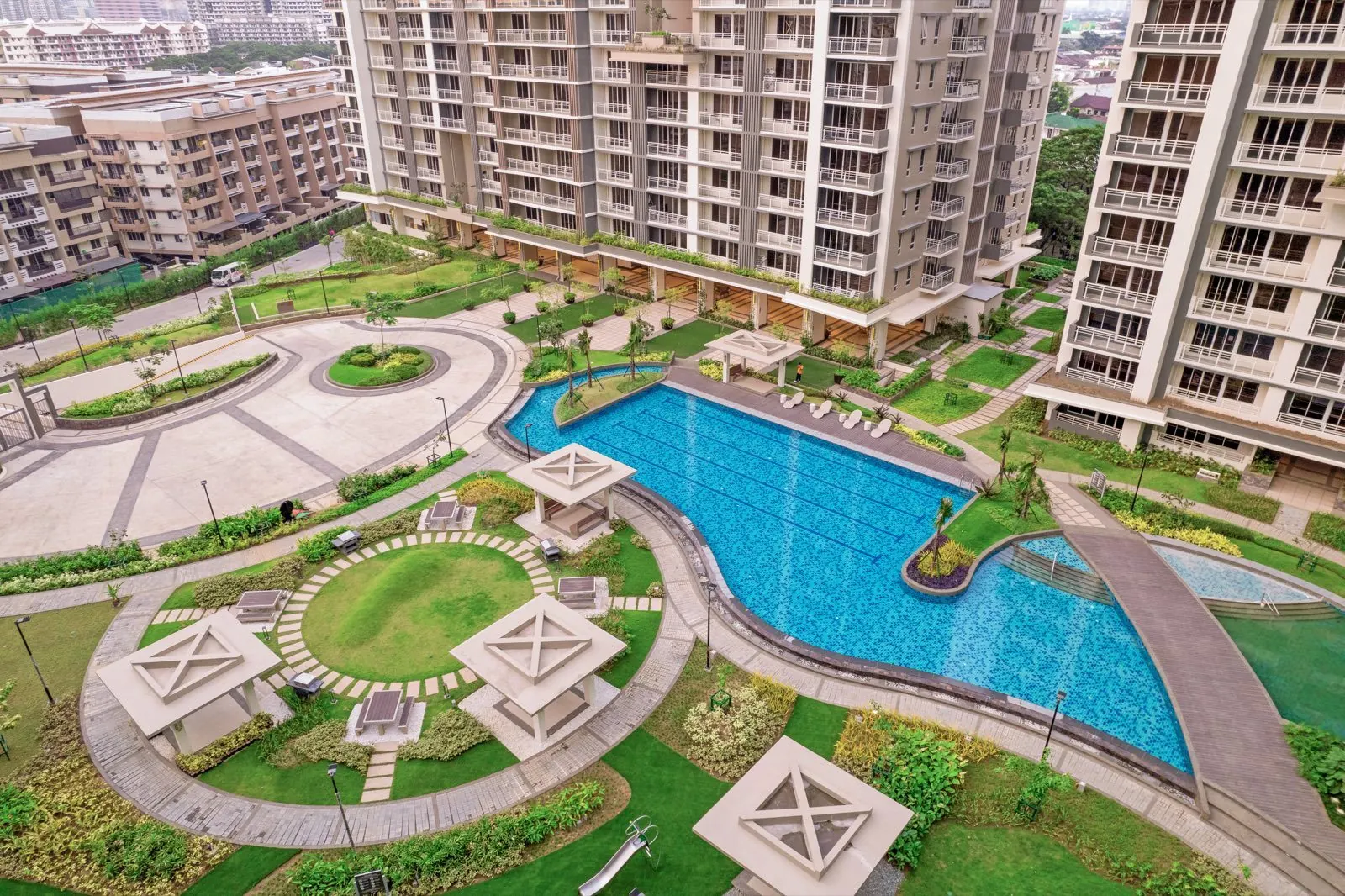
Alder Residences sits inside Acacia Estates, DMCI's 150-hectare master-planned township in Taguig, minutes from BGC — RFO inventory in a community with 25,000+ residents already living there, not a bet on a neighborhood that might someday get built out.
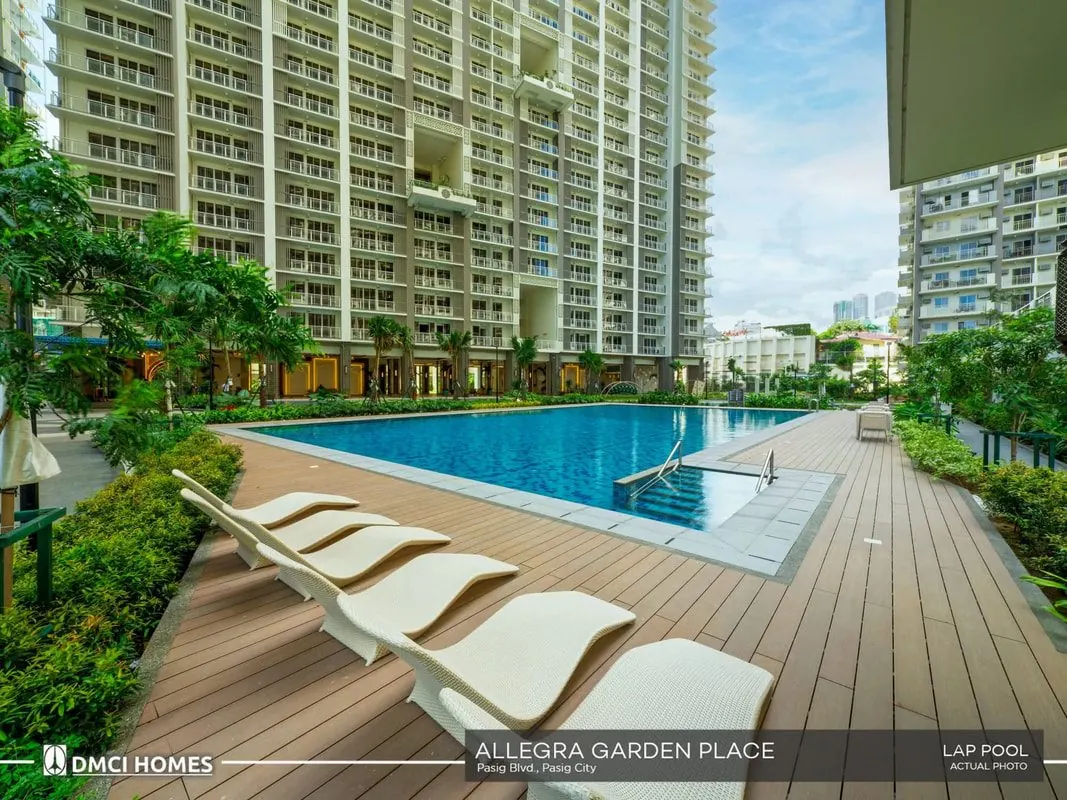
Allegra Garden Place is a Moroccan-inspired twin-tower address in Pasig, in one of the corridors best positioned for the mid-market demand JLL's numbers point to.
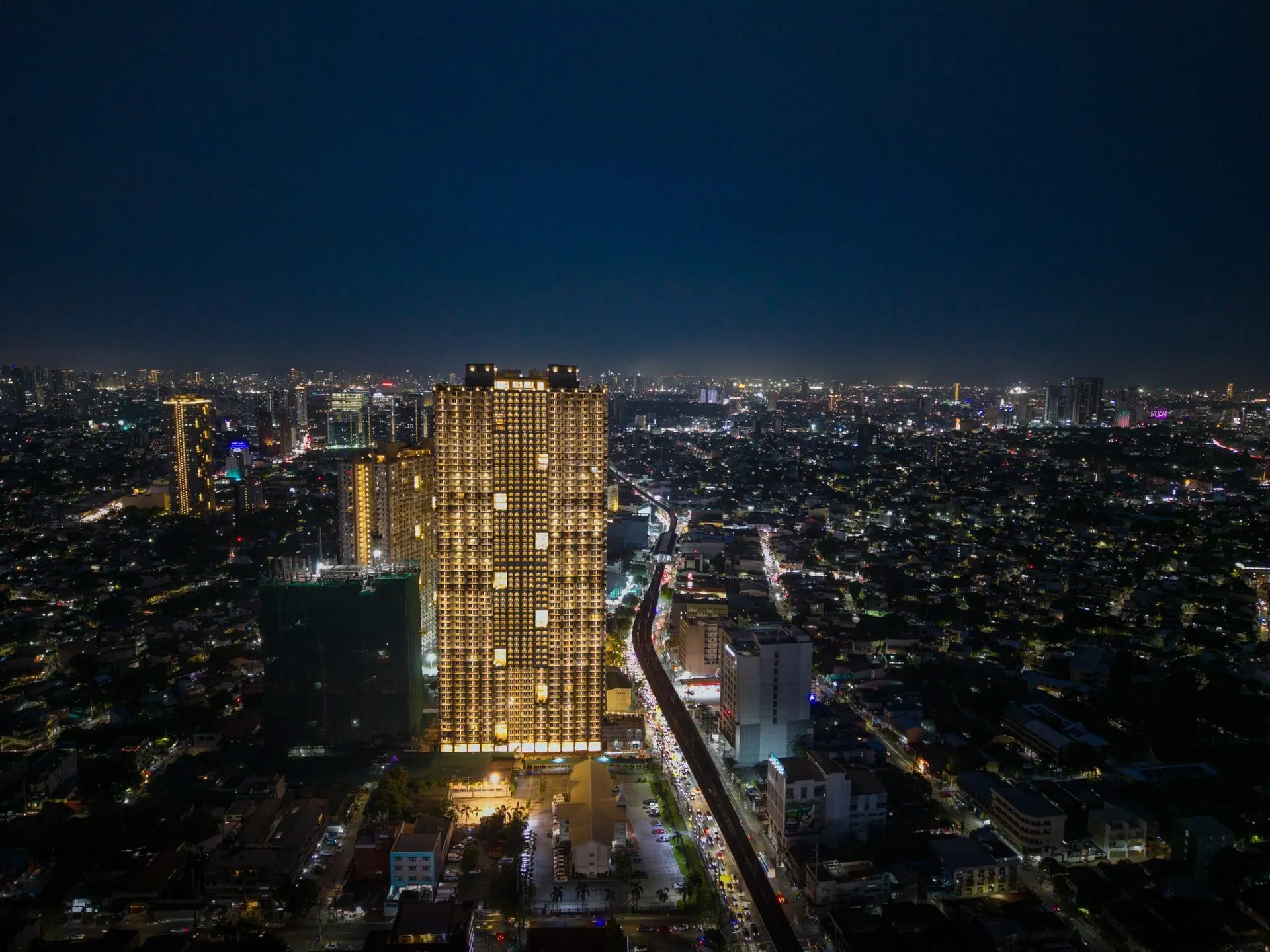
The Oriana in Quezon City is Modern Tropical living with RFO studio-to-2BR inventory from ₱4.71M to ₱9.62M — exactly the price band where genuine end-user competition, not oversupply panic, is setting the pace.
The Bottom Line
Yes, Metro Manila has an oversupply problem — roughly 80,000 unsold units is a real number, not a myth. What's a myth is the leap from that number to "DMCI Homes will lower its prices." A Quadruple-A developer with rising construction costs, genuine absorption, and a track record of raising prices at every turnover doesn't need to discount its price list to move inventory — it extends terms instead. That's the buyer's market you're actually standing in: better payment structures, more flexibility, more promos stacked in your favor. Not a lower number on the price list, and not one that's coming.
Frequently Asked Questions
Will DMCI Homes lower its condo prices because of the Metro Manila oversupply?
Structurally unlikely on active, well-absorbed projects. Land and construction costs don't fall when the market softens, and DMCI's own data and track record show prices rising at each phase and turnover, not falling.
If prices won't fall, what should I actually negotiate for?
Payment terms — which promo fits your cash position, spot-cash versus bank-financed structure, and how much runway you get before full amortization. That's where the real flexibility is right now.
Is now still a good time to buy despite the oversupply headlines?
Yes, for end-users specifically — because of the current promo and payment-term environment, not because you're waiting for a price cut that isn't structurally coming from a developer like DMCI.
Want to see exactly how current promo terms compare for a specific unit at Alder, Allegra, or The Oriana? Run the numbers with Warren using the Computation Sheet.
Related reading: